

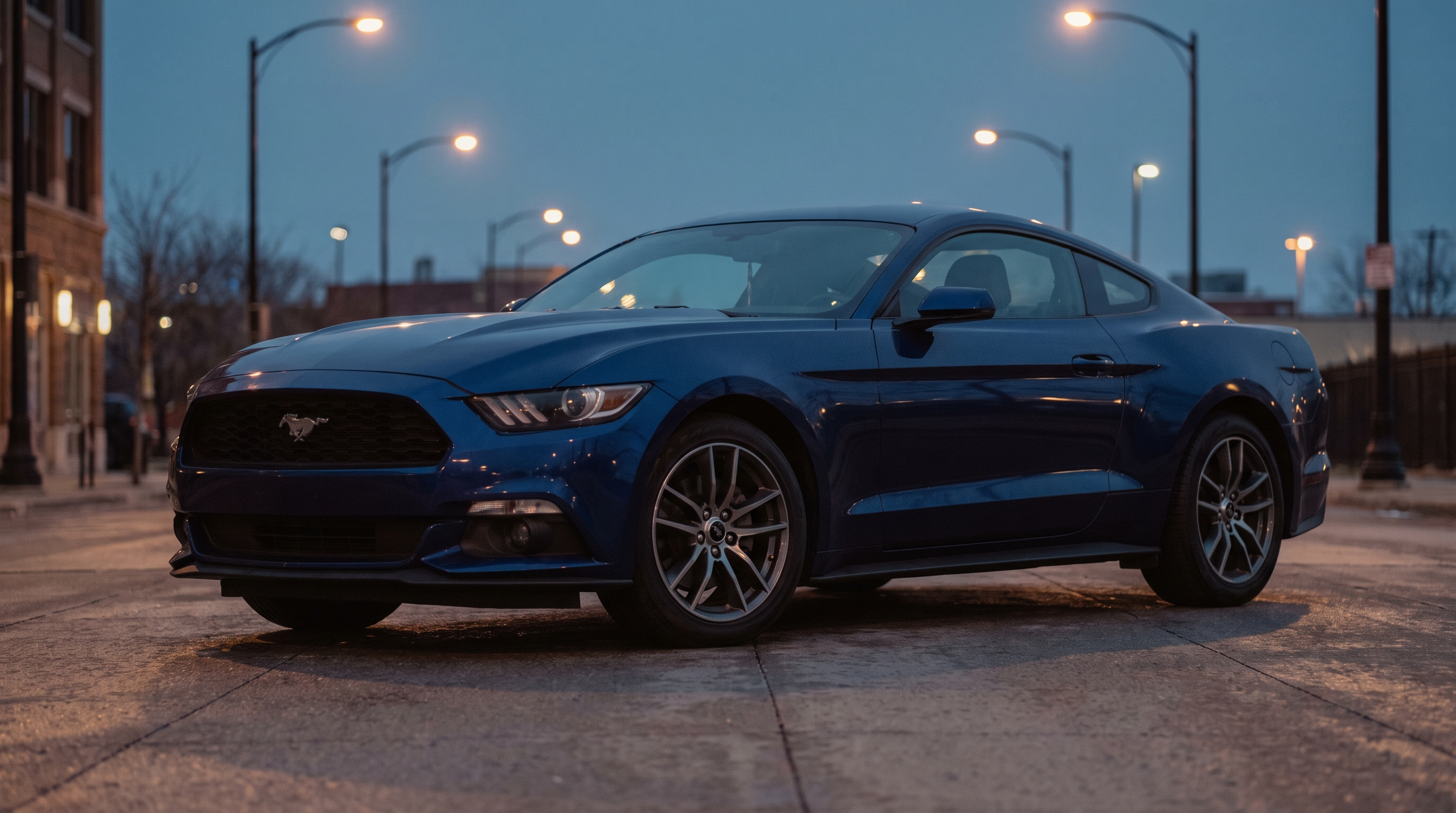
The EcoBoost Mustang gets unfairly overlooked. The 2.3L turbo four is a genuinely good performance platform: it makes strong torque, it responds hard to airflow and tuning, and it weighs less over the nose than the V8, which helps the car turn. If you own one, or you are cross-shopping and wondering whether the four-cylinder can be built, this guide shows how to make the EcoBoost move.
Quick answer: The EcoBoost is a turbo engine, so it loves better breathing and a tune more than almost any bolt-on. Prioritize intake, a proper calibration, and cooling, then handling to use the lighter front end. Respect that boosted engines demand supporting mods and sensible tuning.
Why the EcoBoost responds so well
Turbocharged engines make power by moving more air under boost, so anything that improves airflow and lets you safely run a better calibration pays off quickly. That is why an EcoBoost often feels transformed by the same category of mods that give a naturally aspirated car a modest bump. The engine wants air and a smart tune, and it rewards them.
Stage 1: Breathing and a tune
Cold air intake
A quality intake improves airflow and adds turbo and induction sounds that make the car more engaging. On a turbo car it is a foundational mod, not just a noise upgrade. Confirm whether the intake you want expects a supporting tune, as many do on boosted applications. Browse intakes.
The tune
This is the big one. On a turbo engine, calibration controls boost, fuel, and timing, and a proper tune is where the EcoBoost wakes up. It ties your bolt-ons together and unlocks the engine's potential safely when done right. Our tuning basics guide explains what a tune changes. Emissions note: tuners and tunes touch emissions equipment and rules that vary by state, and some are not legal for street use everywhere, so check your local laws. Shop tuners.
Stage 2: Cooling and support
Boost makes heat, and heat is the enemy of consistent power. Upgraded cooling, including an intercooler upgrade, helps the engine make and hold power, especially in Texas summers or on repeated hard pulls. As you add power, supporting the engine with proper cooling and, eventually, fueling keeps it happy. This is the stage that separates a car that feels strong for one pull from one that stays strong.
Stage 3: Exhaust
An exhaust improves flow and gives the EcoBoost a sportier voice. Turbo engines have a different exhaust character than a V8, more of a purposeful tone than a bellow, and the turbo muffles some sound, so drone tends to be more manageable. Choose based on the tone you want. Browse exhaust.
Stage 4: Handling
Here is where the EcoBoost's lighter nose becomes an advantage. With less weight over the front axle than a GT, the car can feel eager and balanced. Coilovers or lowering springs, sway bars, and good tires make the most of that. A well-sorted EcoBoost is a genuinely fun back-road car. Our lowering guide and sway bars and bracing guide apply directly. Shop suspension.
Wheels, brakes, and the rest
Lighter wheels help the smaller engine feel more responsive, and a brake refresh with quality pads and fluid keeps the car composed as you push it. The same fitment rules apply, so use our offset guide when choosing wheels. Browse wheels and brakes.
How the EcoBoost build differs from a GT
- Tuning matters even more: boost control makes the tune central to the EcoBoost's power.
- Cooling is a priority: turbo heat management is key to consistent performance.
- The chassis is lighter up front: handling mods feel especially rewarding.
- Sound is different: expect a purposeful turbo note rather than a V8 rumble.
Frequently asked questions
Can you really build an EcoBoost Mustang?
Yes. The turbo four responds strongly to airflow, tuning, and cooling, and the lighter nose helps handling. It is a legitimate performance platform.
What is the most important EcoBoost mod?
A proper tune, paired with better breathing. On a turbo engine, calibration is where the power lives.
Do EcoBoost mods need a tune?
Airflow and performance mods are best supported by a calibration. A tune ties them together and lets the engine make power safely.
Is cooling really necessary?
For consistent power, yes. Turbo engines build heat, and cooling upgrades help the car stay strong on repeated pulls and in hot weather.
Will an EcoBoost handle better than a GT?
The EcoBoost carries less weight over the front axle, which can make it feel more eager to turn. With good suspension and tires, it is a rewarding handling car.
Build your EcoBoost
Everything filters to your exact car. Start with your 2015-2023 S550 Mustang, then explore intakes, tuners, exhaust, and suspension. Feed it air, tune it right, keep it cool, and the EcoBoost delivers.


