

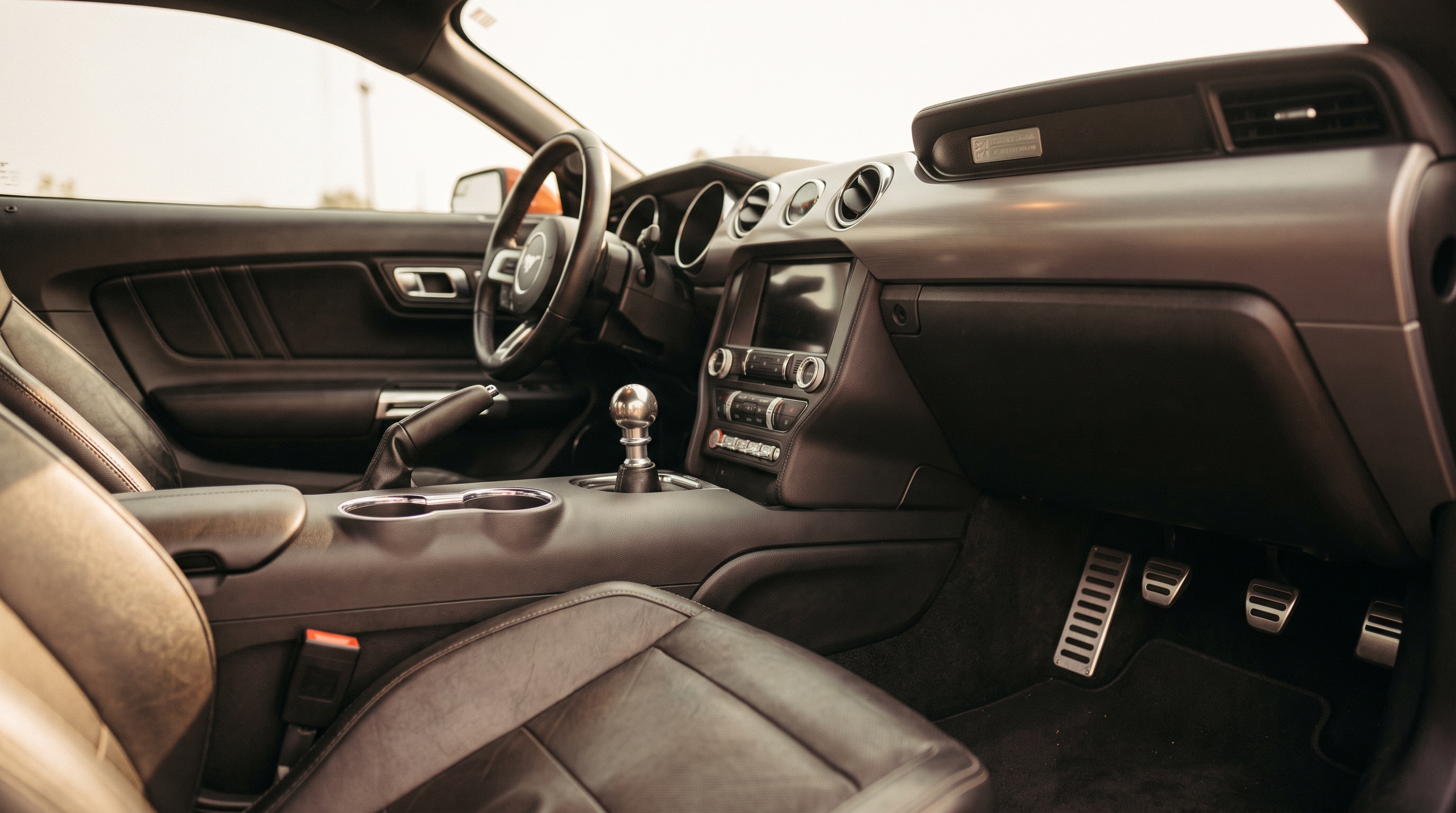
The manual-versus-automatic debate is as old as the Mustang itself, but the modern Coyote makes it genuinely hard. The 10-speed automatic is fast and capable, and the six-speed manual is pure engagement. If you are shopping a GT or deciding which to build, here is an honest look at both.
Quick answer: The automatic is quicker at the drag strip and easier to live with, especially in traffic and at high power. The manual is more engaging and involving to drive and is the enthusiast's choice for feel. Neither is wrong. Pick the automatic for outright speed and daily ease, the manual for the connection and fun.
How they drive
The 10-speed automatic shifts fast and lets you focus on the road, which makes it effortless in traffic and brutally effective launching hard. The manual puts you in charge of every gear change, which is the whole point for a lot of Mustang owners: it is more involving, more rewarding, and it makes an ordinary drive feel like an event. This is the core of the decision, and it comes down to what you want from the car.
At the drag strip
In a straight line, the modern automatic is typically the quicker choice. It shifts faster than any human and launches with consistency. If your priority is the best elapsed times with the least effort, the automatic has the edge. That is a real consideration for the drag crowd.
Building each one
Building a manual
A manual build eventually runs into the clutch as the weak link as power climbs, so a clutch upgrade matched to your power is part of the plan, along with a lighter flywheel for response and a short-throw shifter for feel. Our shifter and clutch guide covers it. Browse clutches, flywheels, and shifters.
Building an automatic
An automatic build focuses on the torque converter and supporting transmission work to handle power and improve how the car launches and puts power down. At higher power the automatic often holds up better under repeated hard launches. See our drivetrain upgrades guide. Browse drivetrain parts.
Daily driving and value
- Traffic: the automatic is far easier in stop-and-go. A stiff performance clutch on a manual gets tiring in a commute.
- Engagement: the manual wins for driver involvement and fun on a back road.
- Resale and preference: both hold appeal to different buyers. Manuals have a devoted following.
- High power: the automatic often handles big power more easily, while a manual needs the right clutch to cope.
Frequently asked questions
Is the manual or automatic Mustang GT faster?
At the drag strip, the modern 10-speed automatic is typically quicker thanks to faster, more consistent shifts and launches. The manual is about engagement, not outright elapsed time.
Which is better for a daily driver?
The automatic is easier in traffic and less fatiguing. The manual is more fun but more work in stop-and-go, especially with a performance clutch.
Does the manual need a clutch upgrade?
As power climbs, the clutch becomes the weak link. A clutch matched to your power keeps it from slipping. Mild builds can run the factory clutch longer.
Which handles more power?
The automatic often copes with big power and repeated hard launches more easily. A built manual works too, but the clutch must match the power.
Which should I buy?
Buy the automatic for speed and daily ease, the manual for engagement and fun. Both are great Coyote GTs, so choose the experience you want.
Build your GT
Everything filters to your exact car. Whether manual or automatic, browse drivetrain, clutches, and shifters. For the full picture, see our complete S550 GT mod guide.


