

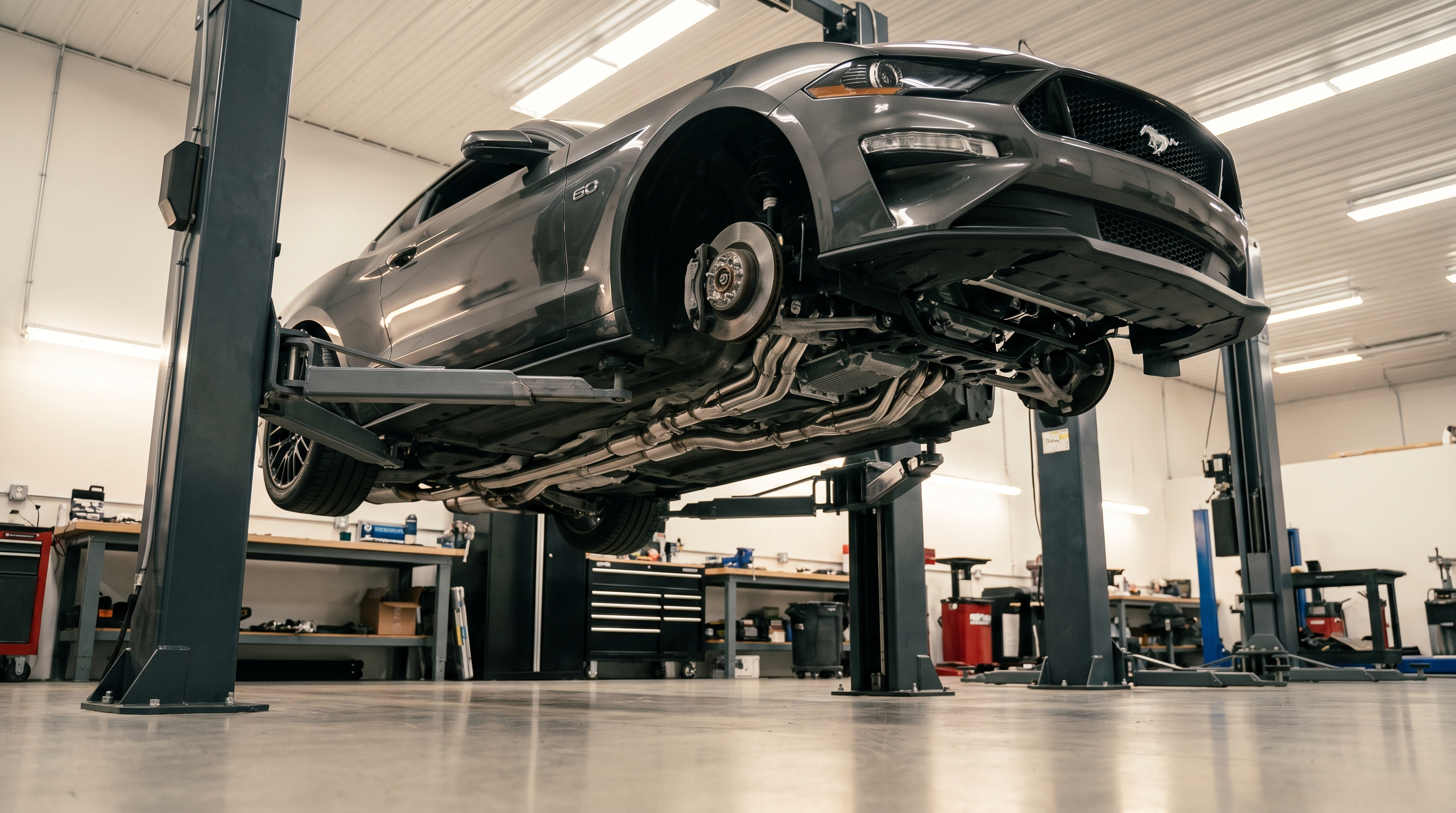
Long-tube headers are one of the biggest bolt-on changes you can make to a Coyote, and one of the most misunderstood. They are not a beginner mod, and they come with real considerations. Here is the honest rundown before you commit.
Quick answer: Long-tubes can add meaningful power and a serious sound change on a Coyote, but they are an involved install, usually want a tune, and often come in emissions-sensitive configurations. Go in with eyes open.
What long-tubes actually do
Headers replace the factory manifolds with longer, smoother primary tubes that improve exhaust flow. On a Coyote they are one of the more impactful traditional bolt-ons for power, and they change the sound noticeably. That is why serious builds run them.
The honest tradeoffs
- Install: this is a bigger job than a catback. Many people have it done professionally.
- Tune: headers usually run best with a supporting tune.
- Sound: expect a louder, more aggressive car, especially with catless or high-flow options.
Emissions, read this first
Header choices range from emissions-friendly to off-road-only catless designs. Catless and off-road parts remove or relocate emissions equipment and are not street legal in many places. Check your local and state emissions laws, look for CARB information where required, and understand that we flag these products for a reason.
Fitment notes and gotchas
- Confirm the headers list your exact platform and year.
- Match them to compatible mid-pipes and your existing exhaust.
- Plan for a tune in your budget.
See our thinking on the full bolt-on path in the Coyote bolt-on order, and browse exhaust for your Mustang. Check your emissions laws first.


